REBRAND · SELF-INITIATED
burberry, warmed
A 170-year-old coat company that forgot how to be liked.
view the full page →
REBRAND · SELF-INITIATED
A 170-year-old coat company that forgot how to be liked.
view the full page →Burberry has been making coats since 1856. It invented gabardine, the fabric that keeps you dry, and the trench every other trench copies. And I could not, off the top of my head, picture its logo.
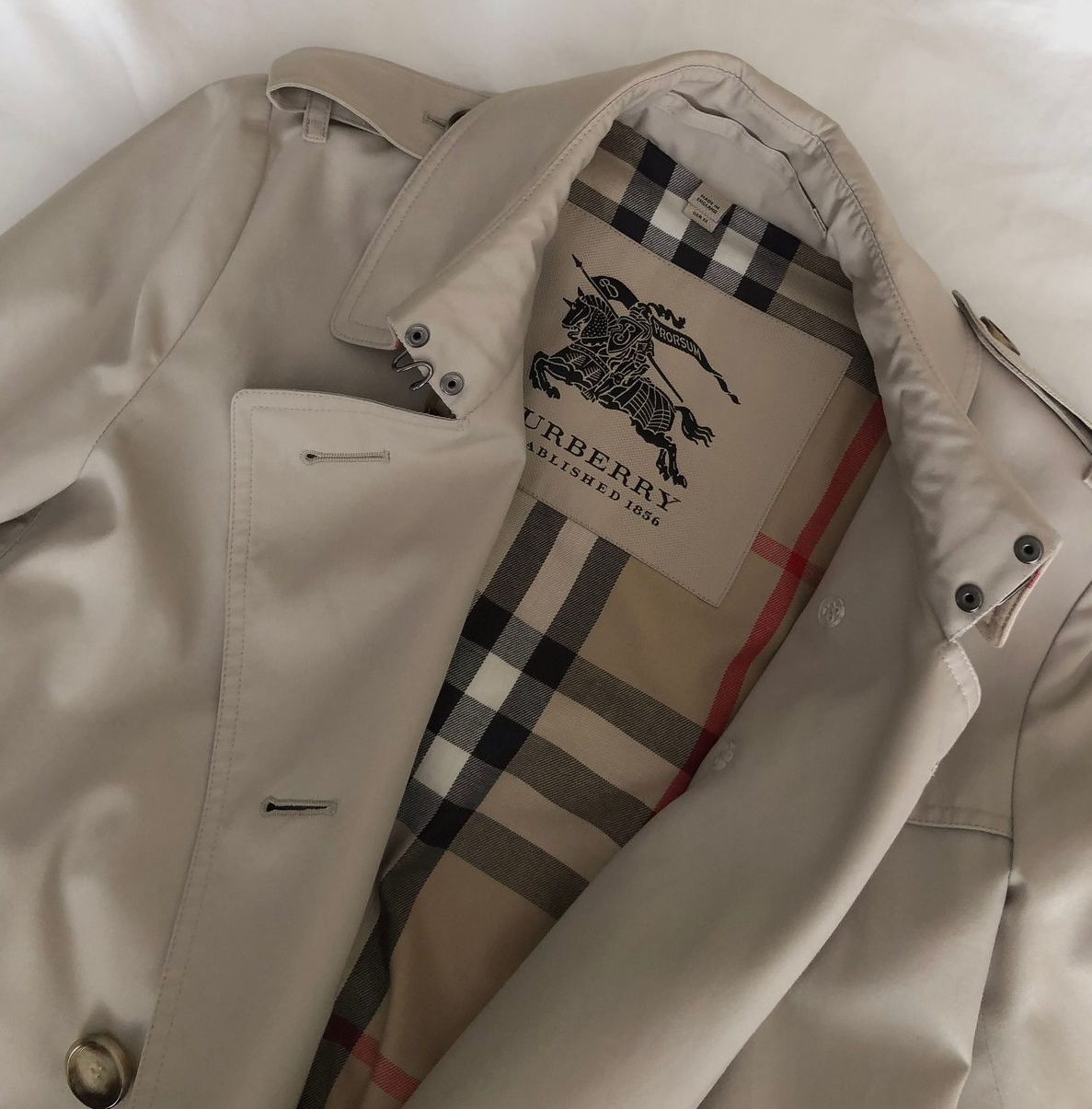
What I could picture was the check, and the little bear in his trench. The two things that stuck were the two warm things. Everything I forgot was the formal part around them: the stiff type, the newspaper-grey layouts, a homepage that lists everything and points at nothing, and a logo that keeps changing. In 2018 the brand flattened its name to a plain sans-serif and dropped the knight, then in 2023 it brought the knight back and went serif again. Two opposite logos in five years, and I still couldn't draw either one for you.
the two warm things were the only things that stuck.
02 · the insight
Luxury mostly sells distance. Louis Vuitton, Saint Laurent, and Celine all compete to feel a little out of reach. Almost no one competes to feel close, which is strange, because Burberry is built for it. It makes coats for grey weather and it has a teddy bear named after its founder. The rebrand stops chasing cold prestige and takes the seat no one's sitting in.
warm is the part nobody else owns.
The fix is subtraction. One wordmark that holds at any size, the Equestrian Knight kept for the big moments and a single B for the small ones, so the mark never shrinks into a blur again. One signature colour, camel, pulled straight from the check. Blush for warmth, and the historic red kept where it started, as a thin line inside the check.
finally, a Burberry you can draw from memory.
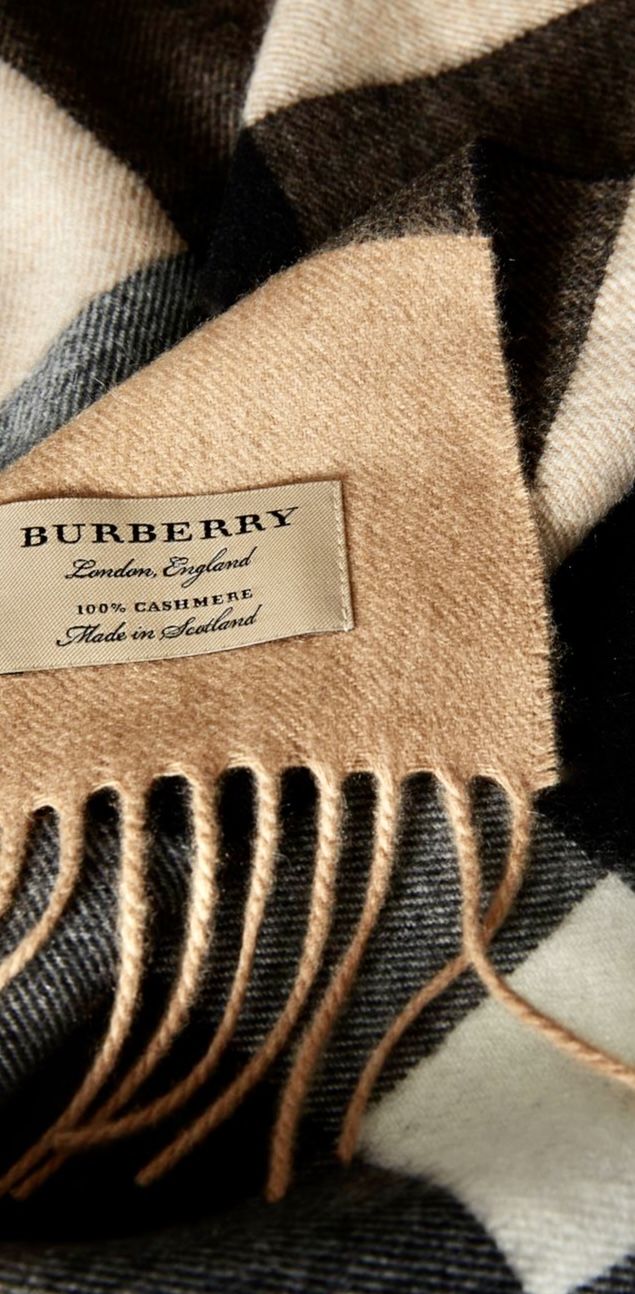
The check is the most recognisable thing Burberry has and the easiest to overuse. The rule is one sentence: it's a signal, not a surface. It lives on a lining, a cuff, a scarf, one moment per page. It never sits as wallpaper behind text, which is the look that made the brand feel busy in the first place. Thomas keeps his trench on and his humour dry. He's a grown-up's bear, not a children's one.
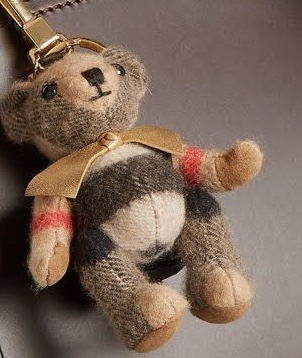
Thomas is the most likeable asset Burberry has and the easiest to ruin. Kept dry and tailored, he reads as charm. Pushed cute, he turns the whole house into a gift shop. The rule is simple: he keeps the trench on.
a grown-up's bear, not a children's one.
the check earns more by showing up less.
The homepage is the argument in one scroll. The trench leads, because it's the answer to what Burberry is known for. Three curated doors, new in, a Father's Day edit, and the staples, replace the old wall of everything. The check comes back lower down as a scarf and a blanket, doing its signal job. Thomas gets a real introduction. Each section answers one line from the diagnosis.
one coat, up front.
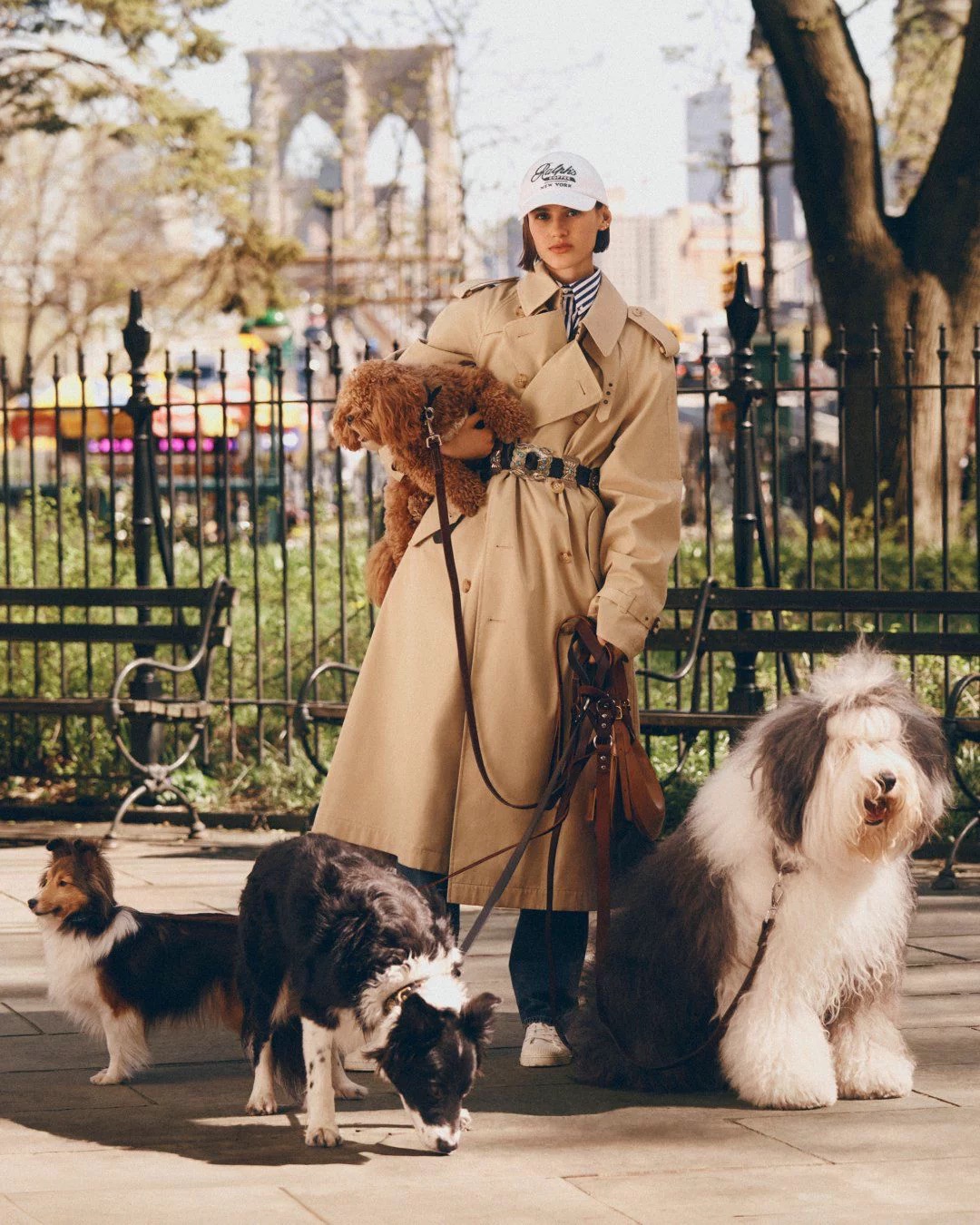
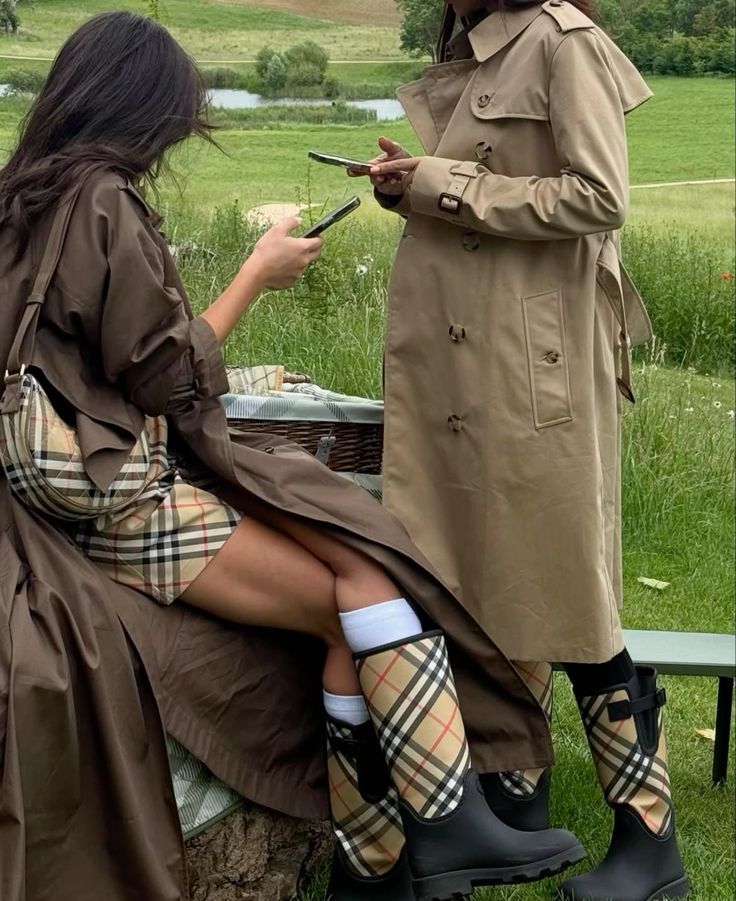
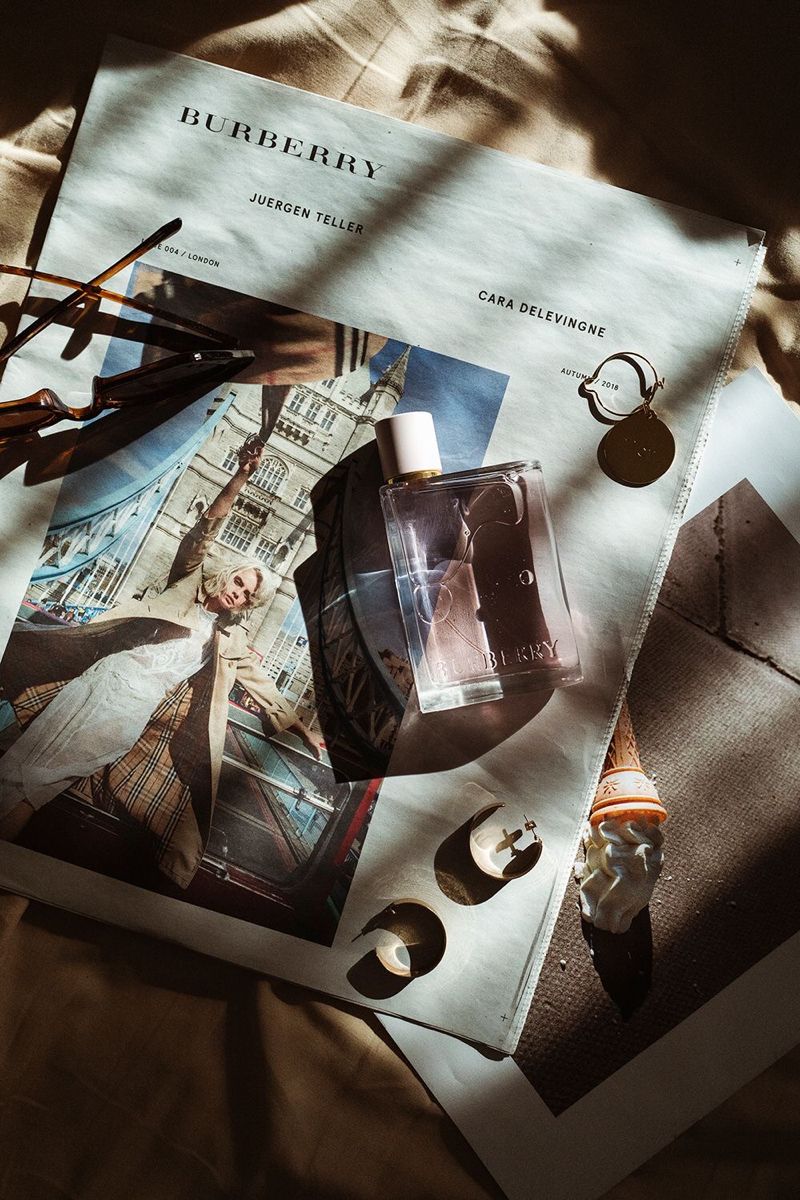
The feed is where the rebrand has to hold up next to everything else on the phone. It runs on four things, shot the same way every time: the trench, the check up close, Thomas, and British weather. No flat-lays of forty products, no quote cards. A scarf on a wet bench does more than a sale banner. The grid sells the coat by showing the life it belongs to, and trusts you to tap through.
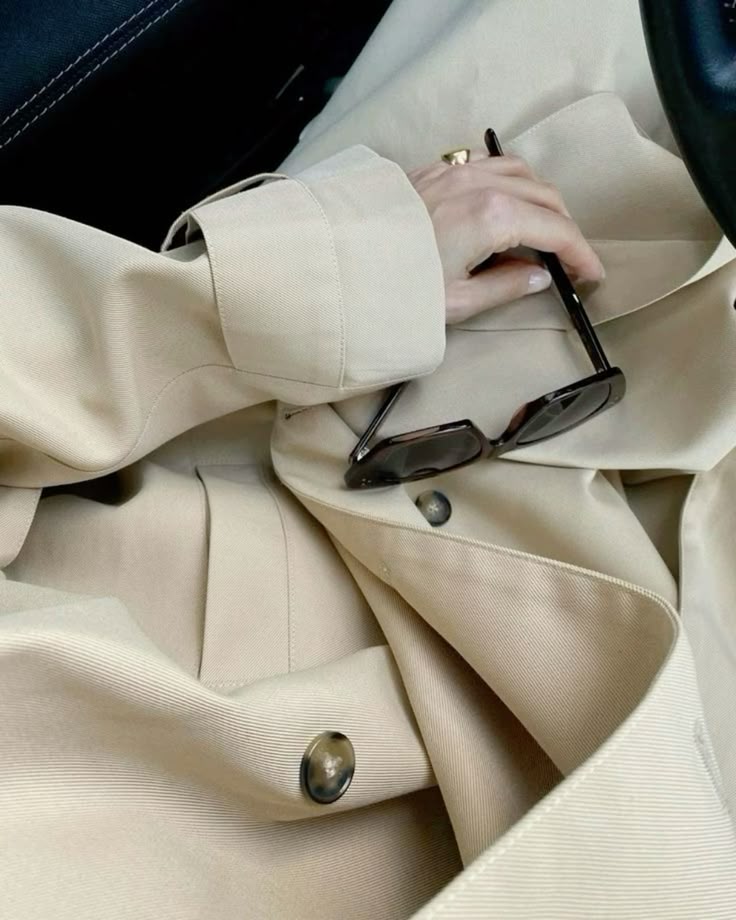
a feed you'd save to a folder.
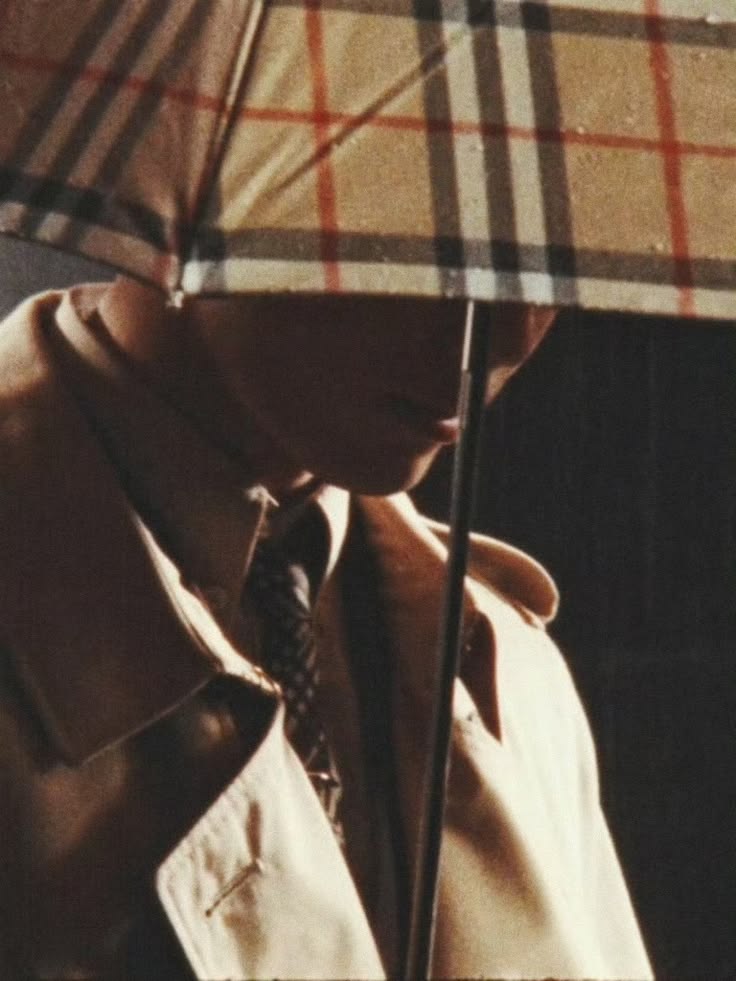
The feed is the gallery you curate; stories are where the brand actually talks. They're vertical, daily, and gone by tomorrow, which makes them the place for everything the grid is too composed to hold: a wet-morning detail, a drop with a countdown, a swipe-up straight to the trench, a dry line from Thomas. It is also where a launch would run, frame by frame. The full launch sequence, with channels and timing, sits in the go-to-market plan.
something British is coming.
made for the weather, kept for years.
the coat, up close.
the feed you keep, the stories you don't.
Dry, specific, a little funny, and unmistakably British. It names real things, the weather, the coat, the years you'll keep it, and trusts you to get the rest. The hero line is the whole register in six words: made for the weather, kept for years.
This is a concept, not a live brief. If it ran, the test would be recall and routing: whether people name the trench as the signature, whether they can picture the logo without the check beside it, and whether the homepage moves them to a product faster than the old list did.
The hard part of softening a luxury brand is that the obvious moves are the ones that kill it. Push colour, whimsy, or a friendlier logo too far and you've built a gift shop, so most of the work is restraint: camel instead of a bright colour, a bear who keeps his trench on, a check that does less. The personality ends up coming from the photography and the writing, the parts that cost nothing and read as expensive.